
Fortura Logo

Zero Trust Architecture & Design

Design Zero Trust Architecture Around How Access Actually Works

Fortura’s Zero Trust Architecture & Design service helps organisations design security architectures that reduce implicit trust, limit blast radius, and align access decisions to identity, context, and risk.

Rethinking Security Assumptions

Zero Trust Isn’t a Tool, It’s a Strategy

Zero Trust is often misunderstood as a product or a destination.

In practice, many organisations adopt Zero Trust terminology while retaining legacy trust assumptions embedded in networks, identities, and application access. This results in fragmented controls, inconsistent enforcement, and limited risk reduction.

Effective Zero Trust design is not about adding tools, it’s about restructuring trust, informed by how users, systems, and attackers actually interact with your environment

Benefits

Practical Zero Trust with Measurable Impact

Reduce implicit trust, limit lateral movement, and align Zero Trust adoption to business priorities through a phased roadmap.
Minimize Hidden Trust

Minimize Hidden Trust

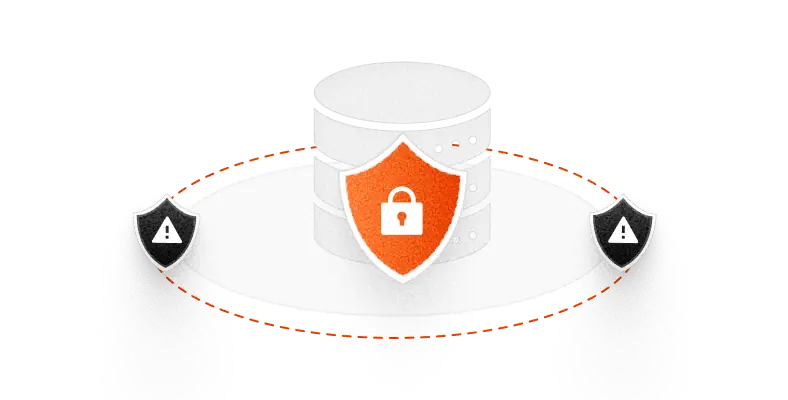
Reduce implicit trust across networks, identities, and applications by making explicit who can access what, from where, and under which conditions. Replace flat network trust with policy decisions your help desk and auditors can explain without referencing VLAN folklore alone.

Contain Security Breaches

Contain Security Breaches

Improve access control consistency and enforcement across SaaS, on-premises, and partner connectivity patterns your teams actually use. Standardise conditional access, device posture, and privileged pathways so exceptions are rare, documented, and time-bounded.

Limit lateral movement and blast radius with consistent access enforcement

Lateral Movement and Blast Radius Control

Limit lateral movement and blast radius during compromise with consistent policy enforcement across identities, devices, networks, and workloads. Design segmentation and monitoring so a single credential loss does not silently become domain-wide ransomware hours later.

Zero Trust initiatives aligned to business priorities

Business-Constrained Zero Trust

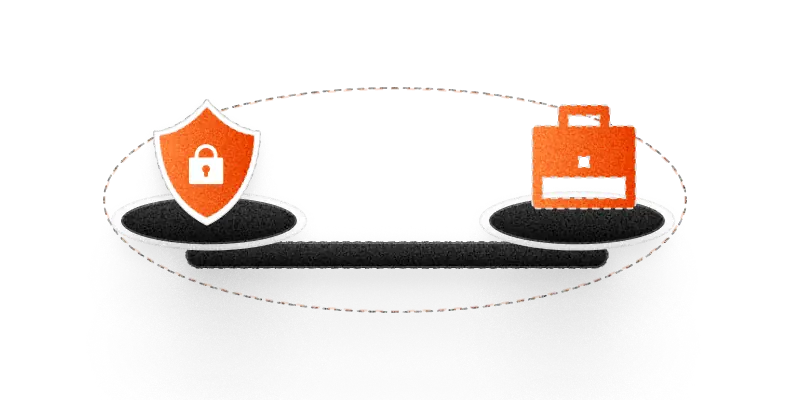
Align Zero Trust initiatives to business priorities and constraints: customer uptime, partner access, legacy systems, and migration budgets so adoption stays fundable and sequenced. Trade-offs become visible so product and security negotiate with data instead of slogans.

Phased roadmap for Zero Trust architecture adoption

Phased Zero Trust Roadmap

Create a practical roadmap for phased Zero Trust adoption with quick wins, platform choices, and measurable trust boundaries instead of a single big bang. Anchor each phase to outcomes your board can track, such as reduced standing privilege, fewer shared accounts, and cleaner device compliance.

Let's get in touch

Join us for results-driven collaboration and growth.

When to Use

When Zero Trust Needs Clear Direction

Network-based trust models and identity complexity require a phased, realistic Zero Trust roadmap aligned to business priorities and operational constraints.

What We Deliver

What's Included

Trust baseline assessment, cross-domain analysis, principle set tailored to you, and target patterns your identity, network, and app teams can implement.

Assessment of current trust assumptions and access models

We assess implicit trust in networks, devices, identities, and admin paths today, where VPNs, flat subnets, or shared creds still carry the load. Findings name the trust assumptions an attacker would abuse first.

What this can include

  • Current-state trust map from user and workload identities to sensitive data and admin interfaces.
  • Legacy patterns called out: always-on VPN, shared break-glass, excessive standing privilege.
  • Data points from interviews and configs so recommendations are evidence-backed.
Our Approach

Our Methodology

Our risk-led approach to Zero Trust Architecture And Design.

Define scope and objectives

01

Confirm business drivers, risk priorities, and architectural constraints.

Analyse trust relationships

02

Identify where implicit trust exists across users, systems, and services.

Assess exposure and attack paths

03

Evaluate how trust assumptions could be exploited.

Design target-state architecture

04

Define Zero Trust-aligned access and control patterns.

Develop transition roadmap

05

Create a phased plan aligned to risk reduction and practicality.

Support decision-making

06

Provide guidance to inform investment and implementation choices.

Why Fortura

Zero Trust Architecture & Design, Delivered with Practical Architecture

Fortura helps organisations design toward Zero Trust in stages that match budget and complexity. We focus on identity, device trust, access patterns and blast-radius reduction, informed by your real workflows, not generic vendor checklists or a false finish line.
Trust and Access Mapped to your Estate
We start from how people and services actually connect, where implicit trust still exists, and which moves reduce meaningful risk per dollar. That yields a design narrative architects and the board can follow, with guardrails for future projects to inherit.
Patterns that work with Legacy and Cloud together
Most environments are hybrid for years. Fortura defines target patterns and a sequenced path that does not require impossible big-bang replacement, while still shrinking lateral movement and standing up stronger conditional access over time.
Decisions for Investment, not a Basket of tools
We make trade-offs explicit between consolidation, better enforcement and operational load. The outcome is a defensible road map: what to fund now, what to stop doing, and how to measure that risk is actually moving in the right direction.
Our Insights

Stay ahead with Intelligence that Matters

Actionable threat intelligence and strategic insights designed for security leaders to improve decision-making and bolster defenses.
FAQ

Frequently Asked Questions

Zero trust is a security model built on the principle that no user, device, or network segment should be trusted by default, even inside your perimeter. In practice it means implementing strong identity verification for every access request, enforcing least-privilege access, microsegmenting networks, and continuously validating device health and context. It is not a product you buy; it is an architectural approach that requires deliberate design across identity, network, endpoint, and data domains.
Most organisations start with identity, specifically implementing strong multi-factor authentication, privileged access management, and conditional access policies. This delivers the highest risk reduction fastest. Network microsegmentation and device trust come next, followed by data classification and application-level controls. We work with your team to sequence the programme based on your existing controls, highest-risk assets, and available capacity.
Zero trust principles apply regardless of where workloads sit. In hybrid environments, the key challenge is consistent identity enforcement across cloud and on-premises systems, typically by bridging Active Directory with a cloud identity provider like Entra ID. We design architectures that work with your existing environment, not ones that require tearing everything out first.
An architecture and design engagement typically runs six to ten weeks: current-state assessment, target architecture design, implementation roadmap, and documentation. Implementation itself is a multi-phase programme. The design work gives you a sequenced plan with clear phases, dependencies, and decision points so your teams can execute without ambiguity.
Zero trust architecture directly supports multiple Essential Eight strategies, particularly MFA, application control, restrict admin privileges, and patch operating systems. It maps strongly to NIST CSF Protect and Detect functions. Rather than treating zero trust as a separate initiative, we integrate it into your existing framework obligations so the architecture work supports compliance outcomes at the same time.
Work with us

Fortura supports you across every phase of your security lifecycle.

No Sales Scripts. We'll Talk Through Your Situation.

If you're shaping strategy, assessing risk, or preparing for what's next, we'll help you get clear on priorities and act with confidence. Tell us what you're working through - we'll respond quickly.

Response TimeWithin 24 hours
Office LocationSydney, Australia
Phone *

By submitting this form, I understand my personal data will be processed in accordance with Fortura's Privacy Statement and Terms of Use.

Get Insights & Alerts

Get the latest news, research notes, practical guidance, and threat updates written for people making security decisions.

By subscribing, you agree to receive Fortura Insights & Alerts and accept our Privacy Policy. Unsubscribe at any time.